September 16, 2026
Soft Washing vs. Pressure Washing: What Does Your Home Need?
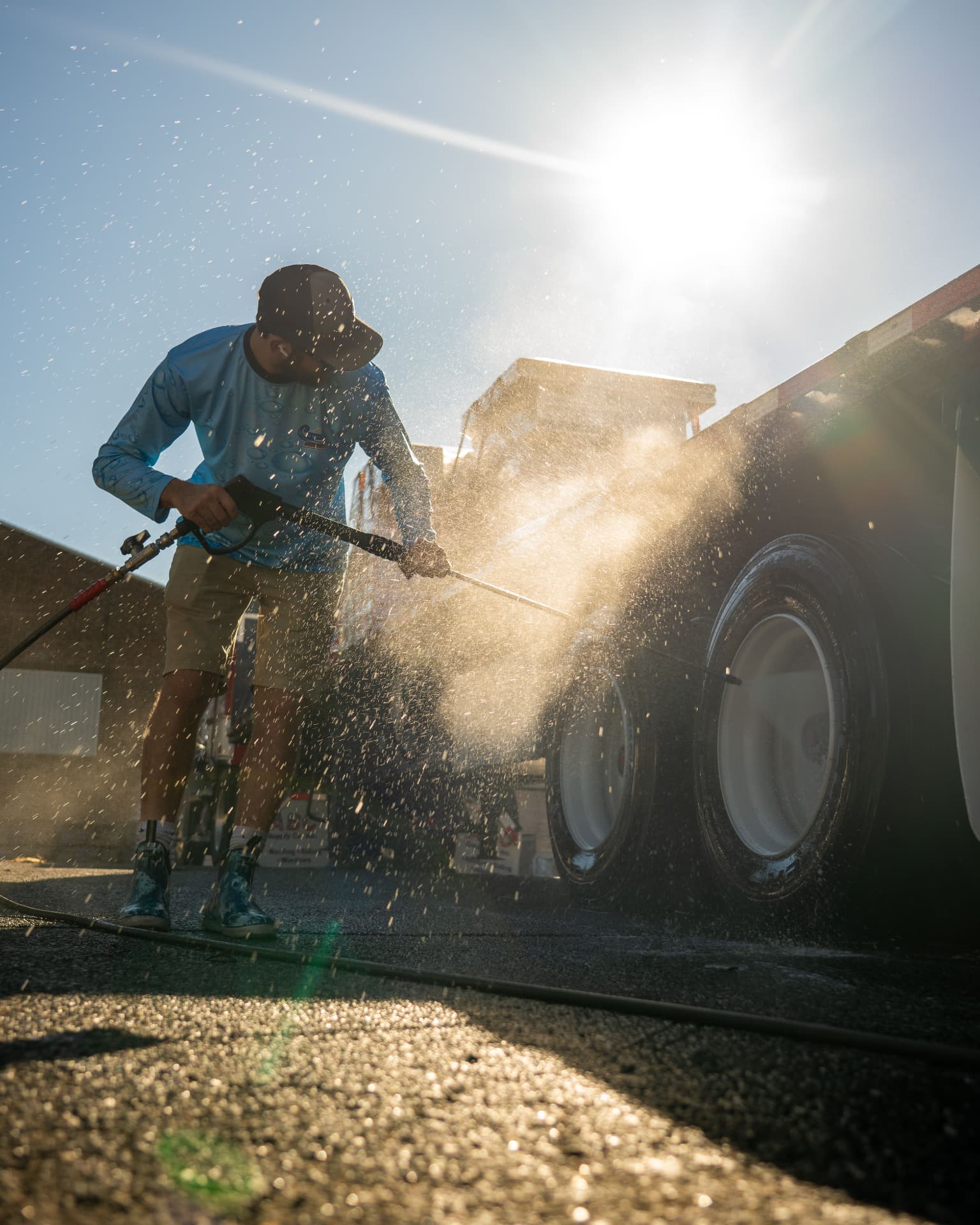
Soft washing and pressure washing are both useful exterior-cleaning methods, but they are not interchangeable. The right choice depends on the surface, the type of buildup, and the risk of damage.
Soft washing uses low water pressure along with a carefully mixed cleaning solution. The solution loosens and treats algae, mildew, mold, and other organic growth, while the gentle rinse carries it away. This approach is usually the safer choice for vinyl siding, painted surfaces, stucco, trim, soffits, and many roofs.
Pressure washing relies more heavily on the force of the water. It can be effective on durable surfaces such as concrete driveways, some patios, and certain masonry. Used correctly, it lifts embedded dirt and grime that a light rinse cannot remove. Used carelessly, however, strong pressure can leave marks, strip paint, force water behind siding, or damage soft materials.
For a typical Connecticut house wash, soft washing is usually the main method. Green siding is commonly caused by organic growth, so treating the source gives a better and more even result than trying to cut it away with high pressure.
A professional exterior cleaner should adjust the process for each part of the property. Siding, decks, concrete, gutters, and commercial surfaces do not all receive the same pressure or cleaning mix. That surface-by-surface approach is what protects the property while still producing a thorough clean.
If you are unsure what your home needs, start with an inspection. Cayne's Power Washing can review the materials and problem areas, explain the recommended method, and provide a clear estimate before work begins.
Ready for a cleaner exterior?
Get a free estimate from Cayne's Power Washing within 24 hours.
Request an estimate